/ 01 — By goal
Boost search rankings
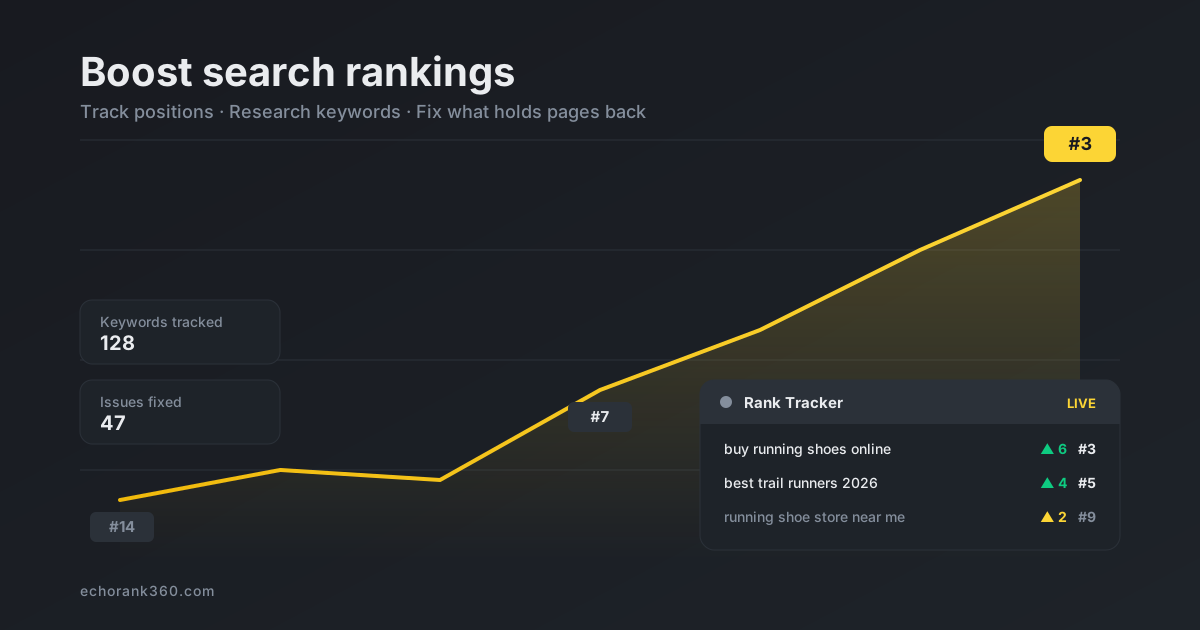
Ranking work starts with knowing where you actually stand. Track positions, research the terms that bring buyers, and fix what holds pages back.
/ 03
Rankings are an output, not a tactic
Pages don't rank because you want them to — they rank because they answer a query better than the alternatives, load cleanly, and carry enough authority to be trusted. That's why chasing positions directly rarely works. The work that moves rankings is almost always upstream: choosing terms you can realistically win, closing the content gaps competitors left open, and fixing the technical problems that quietly hold pages back.
Echorank360 organizes that upstream work in one place. Keyword research shows you the demand and how hard each term is to win. Rank tracking turns positions into a trend you can act on rather than a number you check when you remember. Site audits surface the crawl, speed and structure issues that cost positions you'd already earned.
/ 04
A weekly rhythm that compounds
The teams that climb do a small set of things on repeat: review movement weekly, pick one or two terms to push, publish or improve one page against them, and clear a handful of technical issues. None of it is dramatic. Over a quarter it compounds into rankings that competitors have to work to take back.
Start with the audit to find what's broken, add your core terms to the rank tracker, and let the weekly movement tell you where to spend effort. When a page jumps or slips, you'll know the same week — and you'll know why.
/ 05
Why rankings drift even when you change nothing
A position is not a fact, it is a contest re-run every day. Competitors publish, Google reshuffles what a query deserves, and a page that sat at #4 for a year slides to #9 without anyone touching it. If you only check rankings when a client asks, you find out after the traffic is gone.
Daily tracking turns that into a non-event. You see the slide the day it starts, open the SERP that changed, and read who moved above you and with what. Most recoveries are cheap when they start early: a refreshed title, a stronger internal link, a paragraph the new competitor covers and you don't.
/ 06
Pick keywords by evidence, not instinct
The expensive mistake in ranking work is spending months on a term nobody buys from. Volume alone doesn't tell you that — a keyword with 10,000 searches and zero purchase intent is worth less than one with 300 searches from people comparing vendors.
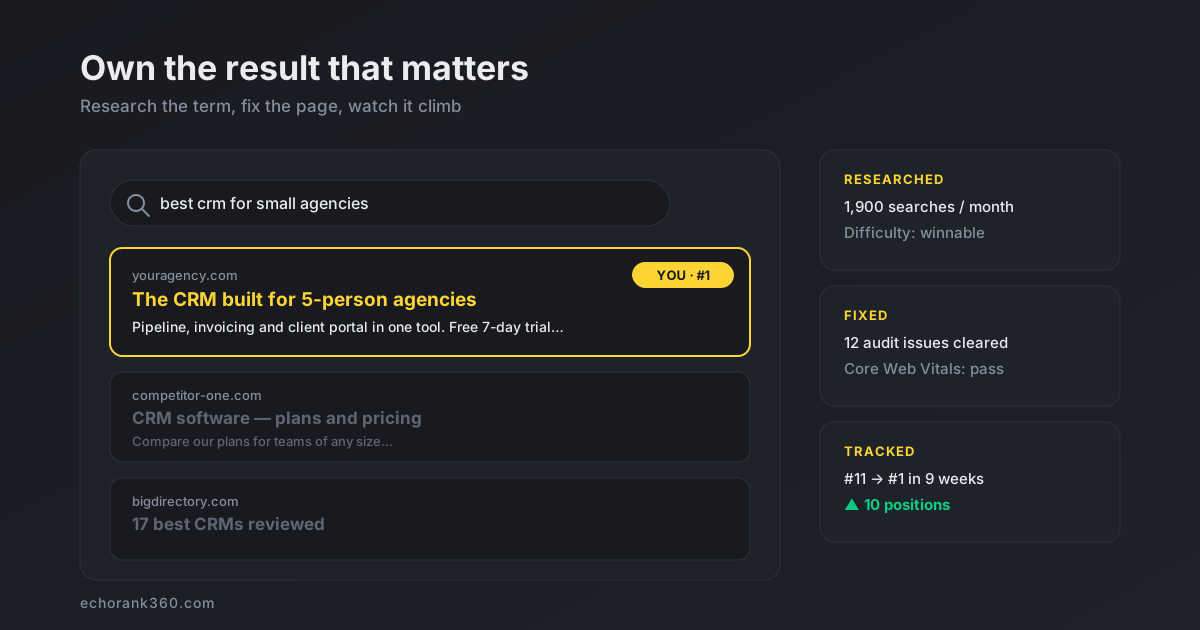
Cross two sources before committing. Keyword research shows what the market types and how hard each term is to win; your own Search Console data shows where Google already trusts you — queries where you sit at position 8 to 20 with real impressions. Those near-miss terms are the fastest wins on the board: the relevance is proven, only the push is missing.
/ 07
A first week that actually moves the needle
Day one: run a site audit and connect Search Console. Don't fix anything yet — just get the full list of what's broken and what already ranks.
Day two and three: fix the audit's top layer — broken links, duplicate titles, redirect chains, pages slow enough to fail Core Web Vitals. This is unglamorous work with the best effort-to-impact ratio in SEO, because it lifts every page at once.
Rest of the week: seed your tracker with the near-miss queries from Search Console plus the terms you want to own, and strengthen the two or three pages behind them. From then on, ranking work stops being a quarterly panic and becomes a short daily read of what moved.
/ 08 — THE WORKFLOW
From tracked to ranked
Not sure where to start?
Run the free AI visibility audit. No account needed, and it takes about a minute.